Argentine surgeon Domingo Liotta begins building prototype blood pumps in his home country. His work would eventually lead to the first total artificial heart implant, and set the stage for everything that followed.
The National Institutes of Health establishes a federal program to develop a total artificial heart. The grant fuels a generation of research at institutions across the country, including the work that would produce the Jarvik-7 and set the trajectory for mechanical circulatory support.
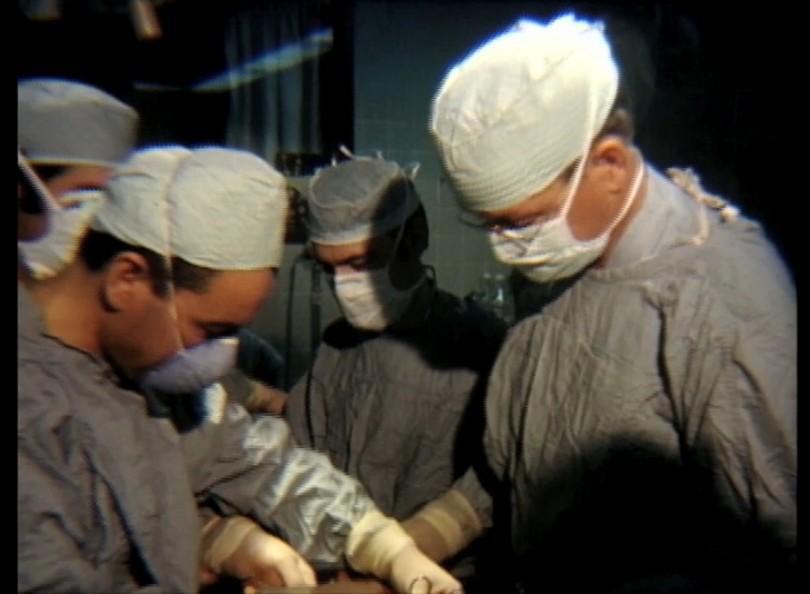
Dr. Denton Cooley implanted the first total artificial heart at the Texas Heart Institute. Engineered by Liotta, the device kept 47-year-old Haskell Karp alive for 64 hours until a donor heart arrived. It was the first time a machine replaced a human heart and bridged a patient to transplant. The surgery was deeply controversial. The original device is now in the Smithsonian. Liotta's descendants visited the BiVACOR facility in 2025.
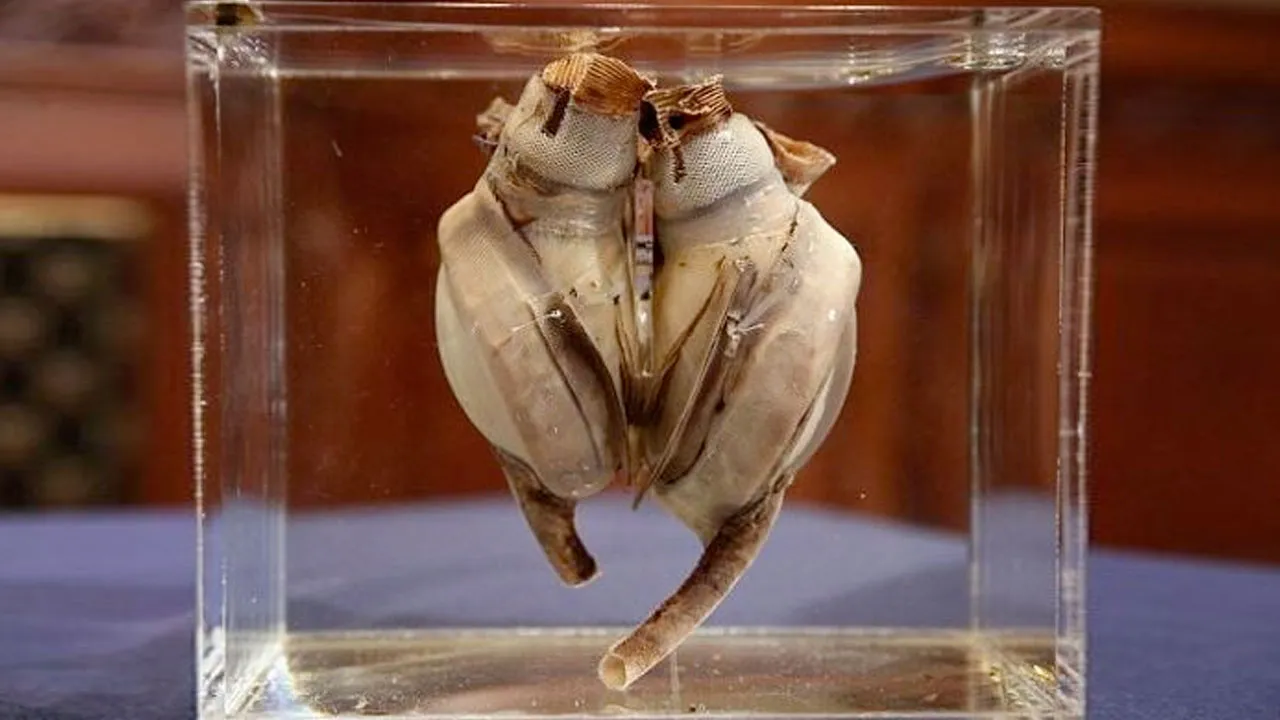
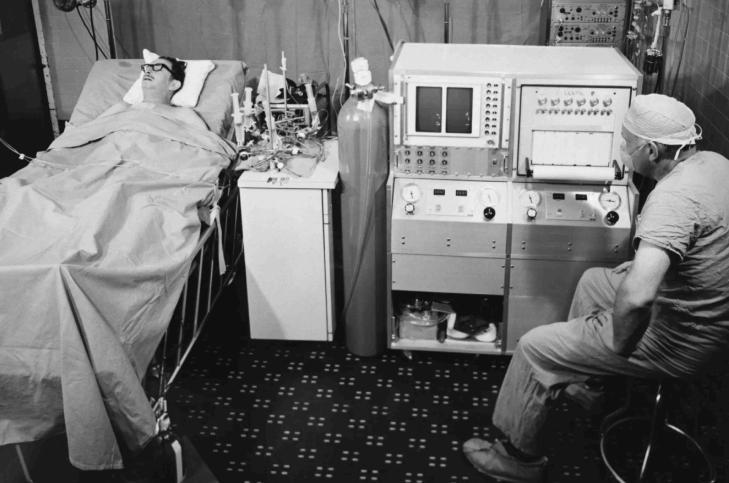
In 1982, the Jarvik-7 became the first permanent artificial heart, implanted into Barney Clark, who survived 112 days. The technology eventually became theSynCardia TAH — the only commercially available TAH in the U.S., with 2,000+implants across 20 countries. But outcomes remained poor: the devices werepneumatic, too large for most women, and approved only as a bridge to transplant.Focus shifted to pulsatile left ventricular assist devices — designed to help the leftventricle pump blood rather than replace the entire heart.
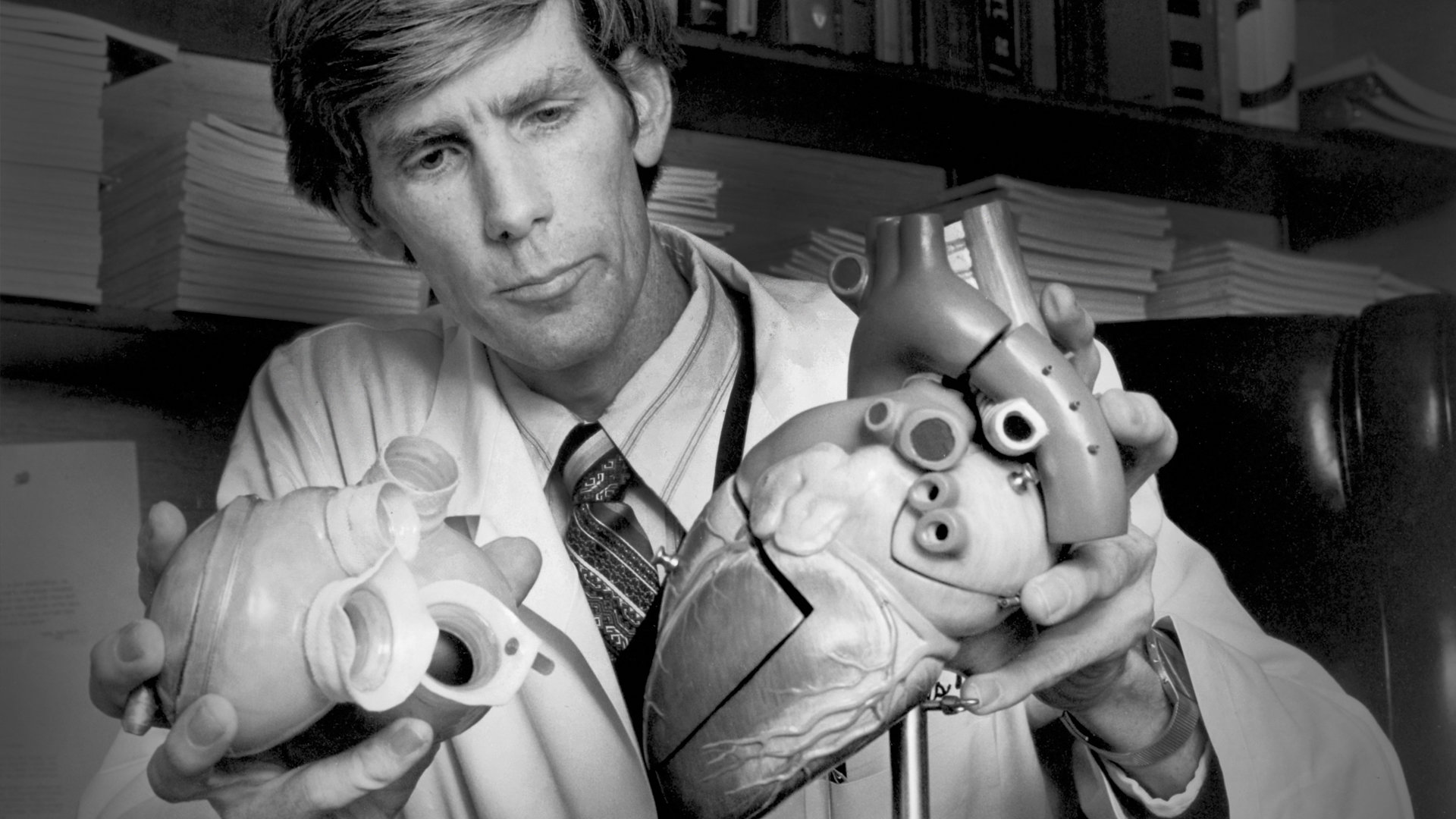
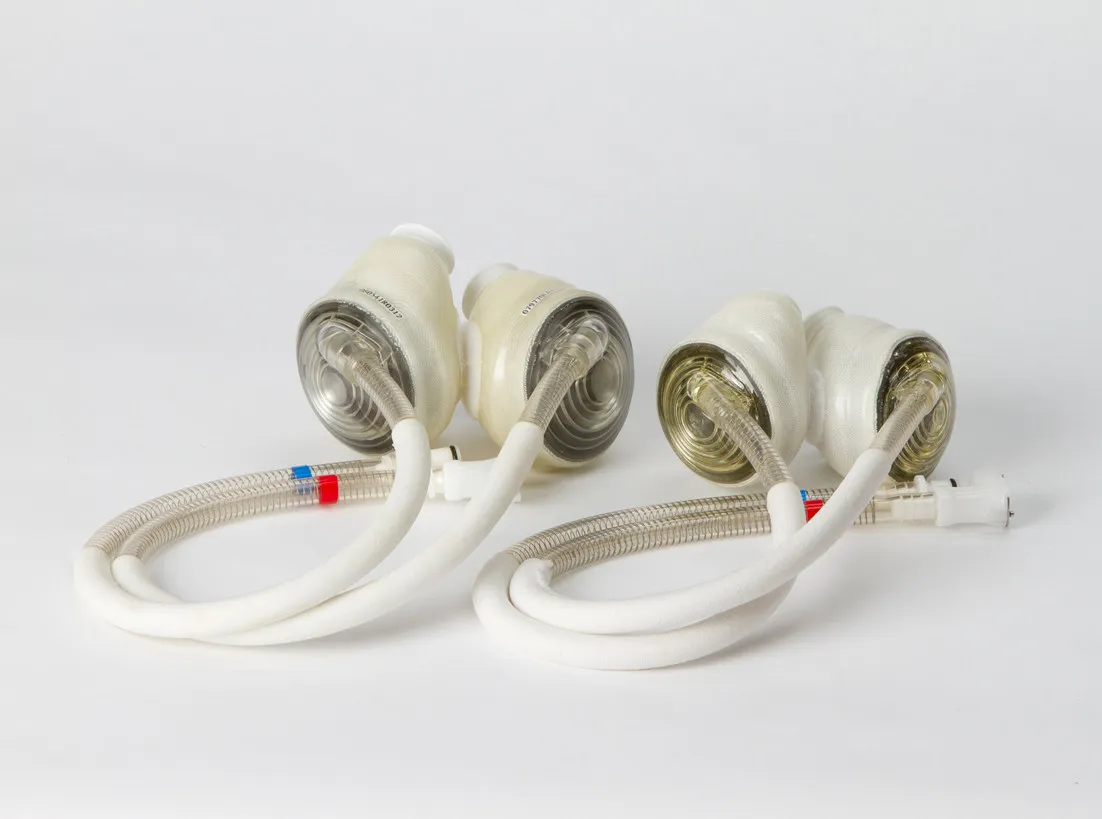
Developed in Willem Kolff’s lab. Robert Jarvik reshaped it from sphere to ellipse, added smoother polyurethane, introduced flexiblebladders. Clark’s heart was at a sixth of normal. He visited the lab and said the calves “felt better than I do.” Near the end: “It hasbeen a pleasure to be able to help people.”
In 1988, Dr. Bud Frazier implanted the Hemopump — a tiny catheter-mounted rotary blood pump developed by Richard Wampler — into apatient in cardiogenic shock. It was the first demonstration that rapidlyspinning continuous-flow rotary pumps could support a failing heartintracorporeally. Despite widespread apprehension about reducedpulsatility, a frenzy of development through the 1990s led to theHeartMate II/III and underpinned the Impella design, eventuallyreplacing positive displacement pumps entirely. Over 90,000 patientshave since been implanted with durable rotary LVADs.
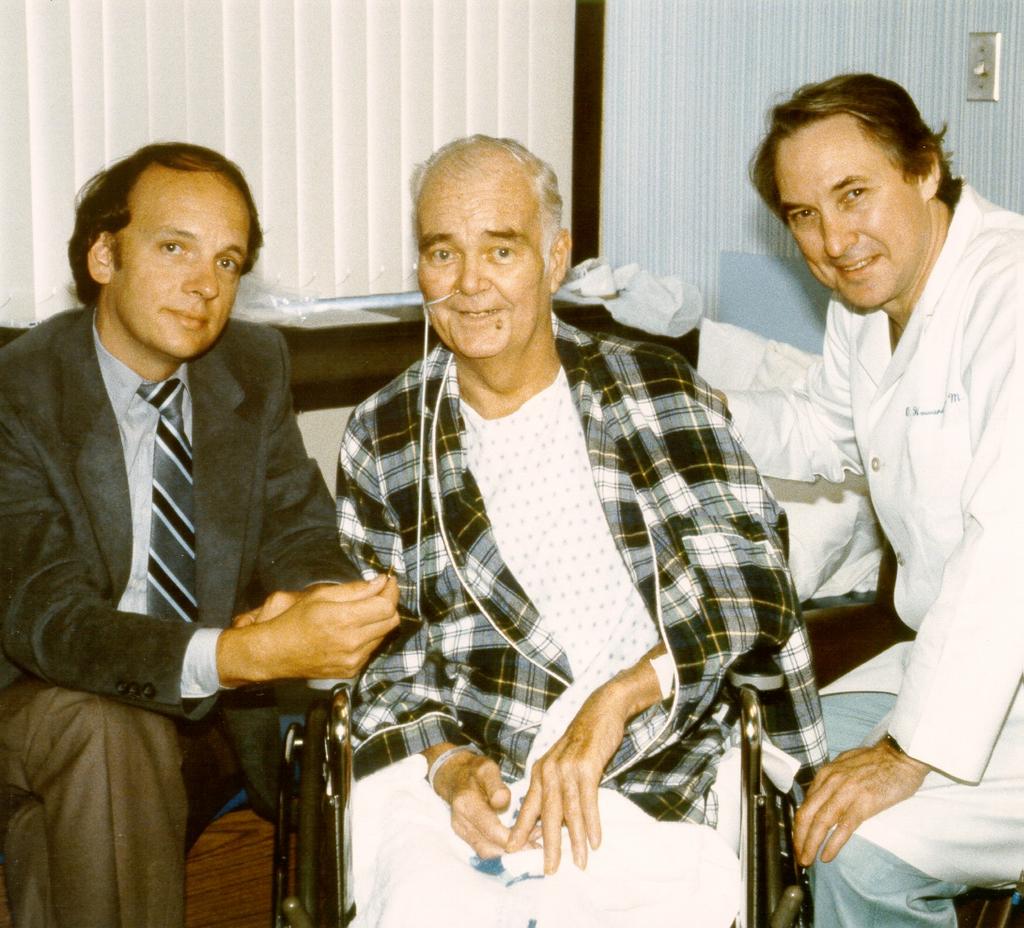
Daniel was 22 and searching for a PhD topic when his father Gary suffered a massive heart attack. He and Gary built the first prototype in Gary’s backyard shed in Brisbane using hardware-store tubes, pipes, and valves. A dangerous eddy beneath the spinning disk drove the next insight — the impeller needed to be double-sided and fully suspended.
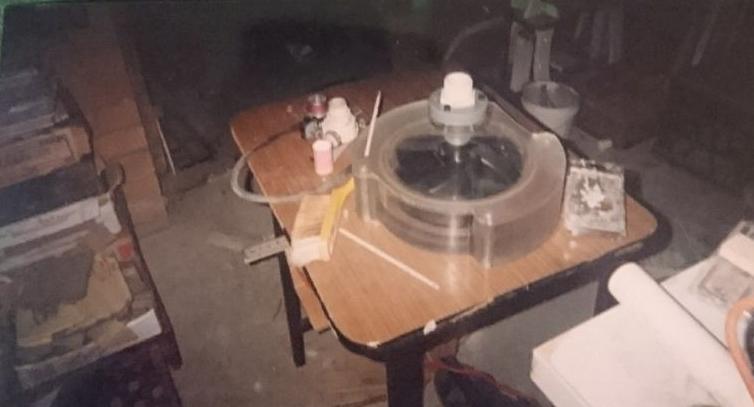
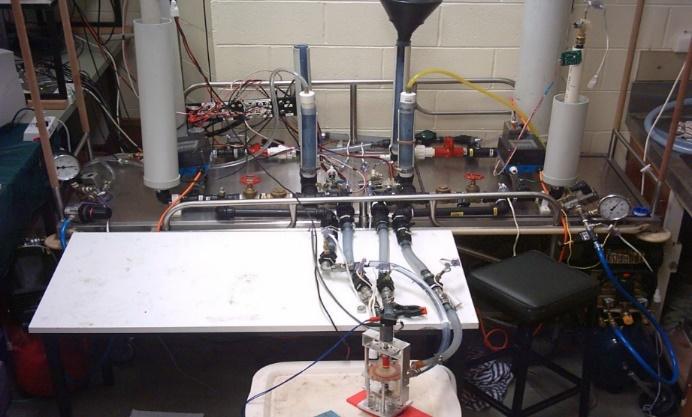
Daniel secured lab space at the Prince Charles Hospital — the same hospital where his father was a patient. While Gary battled heart failure on the floors above, Daniel built prototypes in the lab and kept a sheep alive for several hours. A concept proven too late for Gary, but one that sparked the relentless pursuit of a device that would not be too late for someone else.
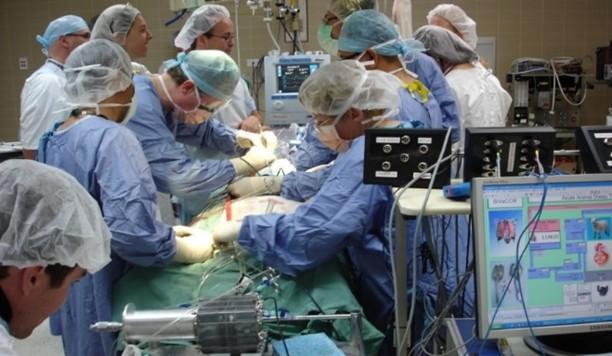

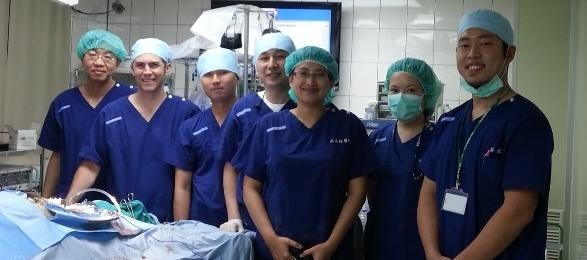
Daniel developed the magnetic bearing system at Ibaraki University in Japan — same principle as maglev trains — then moved to the Helmholtz Institute at RWTH Aachen, Germany. Nick Greatrex followed from Brisbane, Matthias Kleinheyer joined for motor design and pulsatile speed modulation. In 2012, Prof. Pong-Jeu Lu’s team at National Cheng Kung University (NCKU) in Tainan, Taiwan, hosted early animal studies of the device, ahead of its work at the Texas Heart Institute.
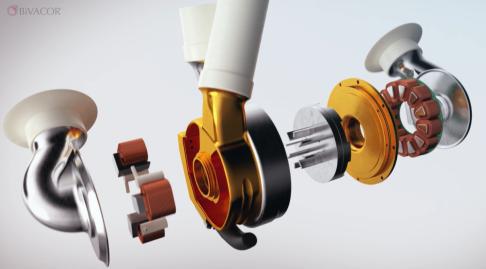
Daniel walked into Billy Cohn’s office at the Texas Heart Institute carrying the device in a backpack. Four hours into a one-hour meeting, Cohn called it the most sophisticated device he’d ever seen. He became CMO. A $2.1M grant brought the team to Houston.
Jim “Mattress Mack” McIngvale — Houston furniture retailer whose brother had died of heart failure — became BiVACOR’s first angel investor, funding the team’s move from three continents to Houston.
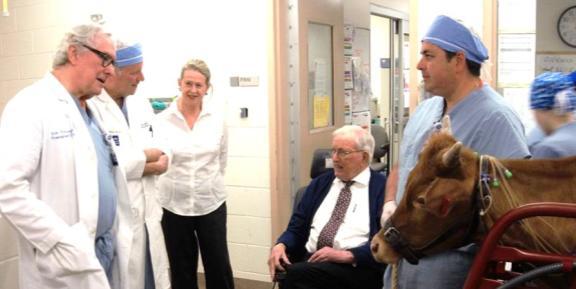
BiVACOR prototypes were implanted in calves and sheep at THI. One calf walked on a treadmill with the device where its heart had been. A journalist pressed her ear to the animal’s chest and heard nothing — just a faint whir. One calf survived 96 days.
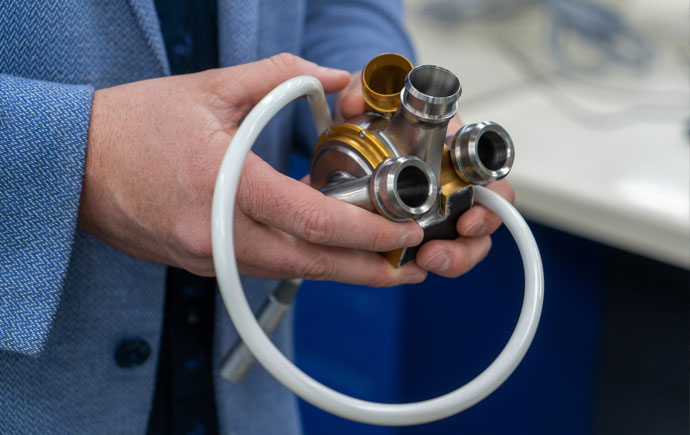
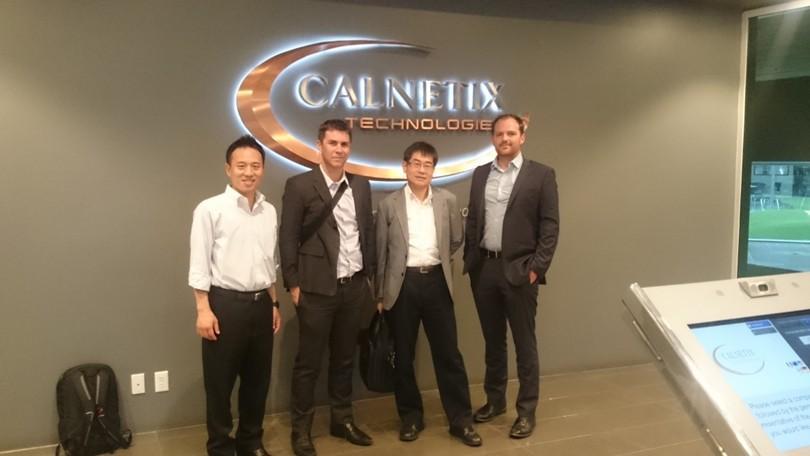
BiVACOR partnered with Calnetix Technologies in Cerritos, CA — specialists in magnetic levitation for aerospace and medical applications. No longer a research prototype. Now being manufactured for production.
Eight clinical-grade pumps ran continuously for over three years with no failures. Five calves underwent full heart replacement and survived the entire study period with no device-related complications. At necropsy, the pumps were clean inside.
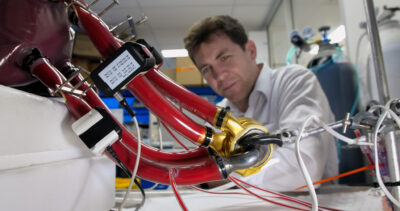
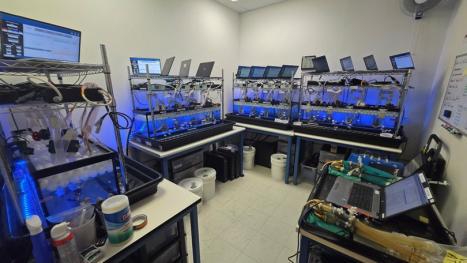
The FDA granted BiVACOR’s IDE in late 2023. On July 9, 2024, at Baylor St. Luke’s, where Cooley implanted the first artificial heart 55 years earlier, BiVACOR’s first TAH was implanted. Five patients were bridged to transplant. In May 2025, the FDA granted Breakthrough Device Designation — the first total artificial heart ever to receive it.
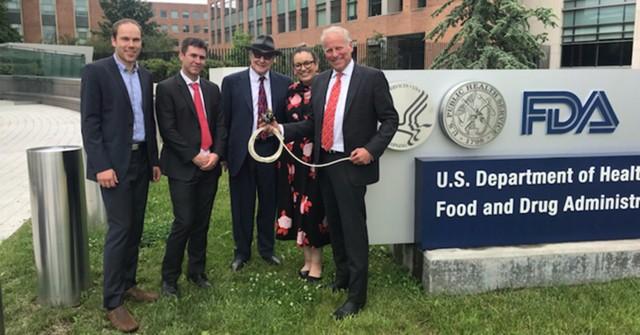
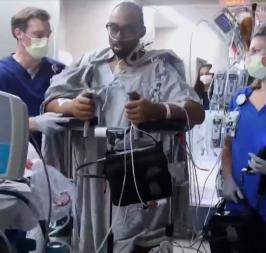
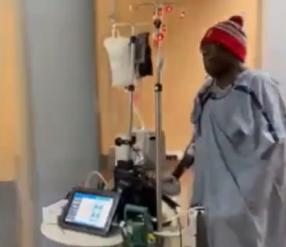
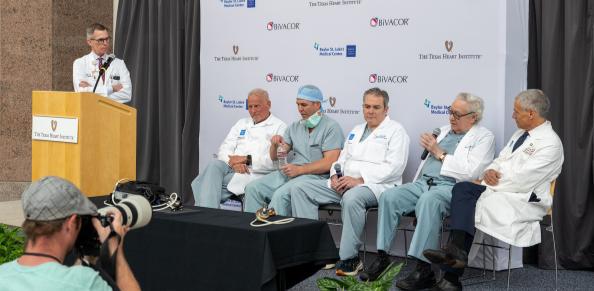
Expanded Early Feasibility Study enrollment underway across multiple US and international sites. Preparing for a pivotal trial.